

Why digestion matters
Your digestive system is responsible for absorbing nutrients, supporting immunity, producing neurotransmitters, regulating inflammation, hormone metabolism, protecting against pathogens and communicating with the brain.
Approximately 70% of your immune tissue resides within the digestive tract.
The digestive journey
Mouth
Chewing begins digestion. Saliva contains digestive enzymes.
Stomach
Hydrochloric acid breaks down protein and protects against pathogens.
Small intestine
The main site of nutrient absorption. Pancreatic enzymes and bile from the liver and gallbladder do most of the work here.
Large intestine
Home to trillions of microbes. Water absorption and short-chain fatty acid production happen here.
Common signs your gut may need support
- Bloating
- Excess wind
- Constipation
- Diarrhoea
- Acid reflux
- Food sensitivities
- Fatigue
- Brain fog
- Skin issues
- Frequent infections
- Poor mood
The gut and brain communicate continuously through the vagus nerve, immune signalling, hormones and gut microbes. Stress can influence digestion — and digestive health can influence mood.
Nourishing your gut microbiome
Fibre-rich foods
Vegetables, fruit, beans, lentils, oats, nuts and seeds. Fibre feeds your good bacteria and keeps digestion moving.
Fermented foods
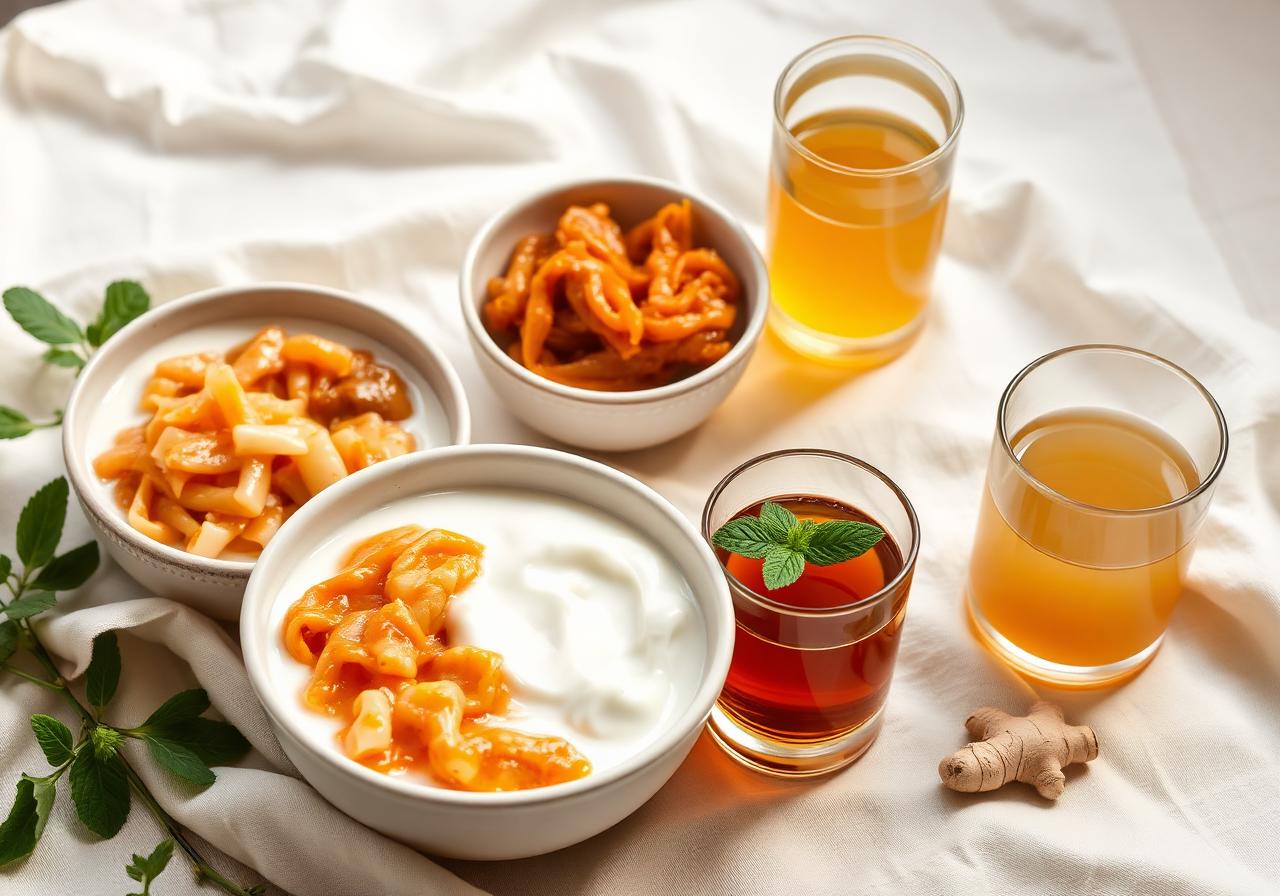
Live yoghurt, kefir, sauerkraut, kimchi and miso. Provide beneficial bacteria that support digestive balance.
Polyphenol-rich foods
Berries, herbs, spices, green tea and cocoa. Act as prebiotics and help reduce inflammation.
Healthy fats
Extra virgin olive oil, avocado, nuts, seeds and oily fish. Support nutrient absorption and help reduce inflammation.
Foods that may cause problems for some
- Ultra-processed foods
- Excess alcohol
- Excess sugar
- Highly refined carbohydrates
Lifestyle factors that influence gut health
Stress
Long-term stress can alter gut motility, affect digestion and influence gut microbes. Chronic stress raises cortisol, which can damage the gut lining.
Sleep
Poor sleep is linked to increased inflammation, changes in appetite regulation and altered gut flora. Aim for 7–9 hours.
Exercise
Regular movement supports gut motility, microbial diversity and metabolic health. Even a daily walk helps.
Simple daily habits
- Eat a variety of plant foods
- Include fibre at most meals
- Stay hydrated
- Manage stress
- Prioritise sleep
- Move daily
- Spend time outdoors
- Eat slowly and mindfully
A sample gut-friendly day
Breakfast
Greek yoghurt, berries and flaxseed.
Snack
Apple and a handful of walnuts.
Lunch
Mixed bean salad with olive oil dressing.
Dinner
Salmon, roasted vegetables and quinoa.
Additional support for your gut
- Chew bitter foods like rocket, dandelion or lemon before meals to stimulate digestion
- Include bone broth for gut lining support and minerals
- Try gentle herbs like ginger, fennel and peppermint after meals
- Consider a quality probiotic if needed — and always include prebiotics (fibre)
- Limit unnecessary antibiotics and NSAIDs which can disrupt gut flora
"Your gut microbiome is as unique as your fingerprint. Feed it well and it will support you for life."