

Why heart health matters
Your heart and blood vessels deliver oxygen and nutrients to every cell in your body. Healthy blood vessels support energy, brain function, physical performance, healthy ageing, kidney health, cognitive health and long-term wellbeing.
More than just cholesterol
| Factor | Why it matters |
|---|---|
| Blood pressure | The force of blood against artery walls. |
| Blood sugar | High glucose levels can damage blood vessels over time. |
| Inflammation | Chronic inflammation may contribute to plaque formation. |
| Cholesterol & lipoproteins | Transport fats through the bloodstream. |
| Physical activity | Keeps blood vessels healthy and flexible. |
| Sleep | Supports blood pressure and metabolic health. |
| Stress | Influences blood pressure, inflammation and blood sugar. |
Understanding cholesterol
Your body uses cholesterol to make hormones, build cell membranes, produce vitamin D and produce bile acids. The issue is not cholesterol itself — it is how cholesterol is transported and whether blood vessels become damaged.
ApoB is carried on particles that can enter artery walls. Many experts now consider ApoB one of the most useful markers of cardiovascular risk. A person can have a 'normal' cholesterol result but still have elevated ApoB.
Lp(a) is largely genetic. High levels may increase cardiovascular risk. Lifestyle has limited effect on Lp(a), but knowing your level can help understand overall risk.
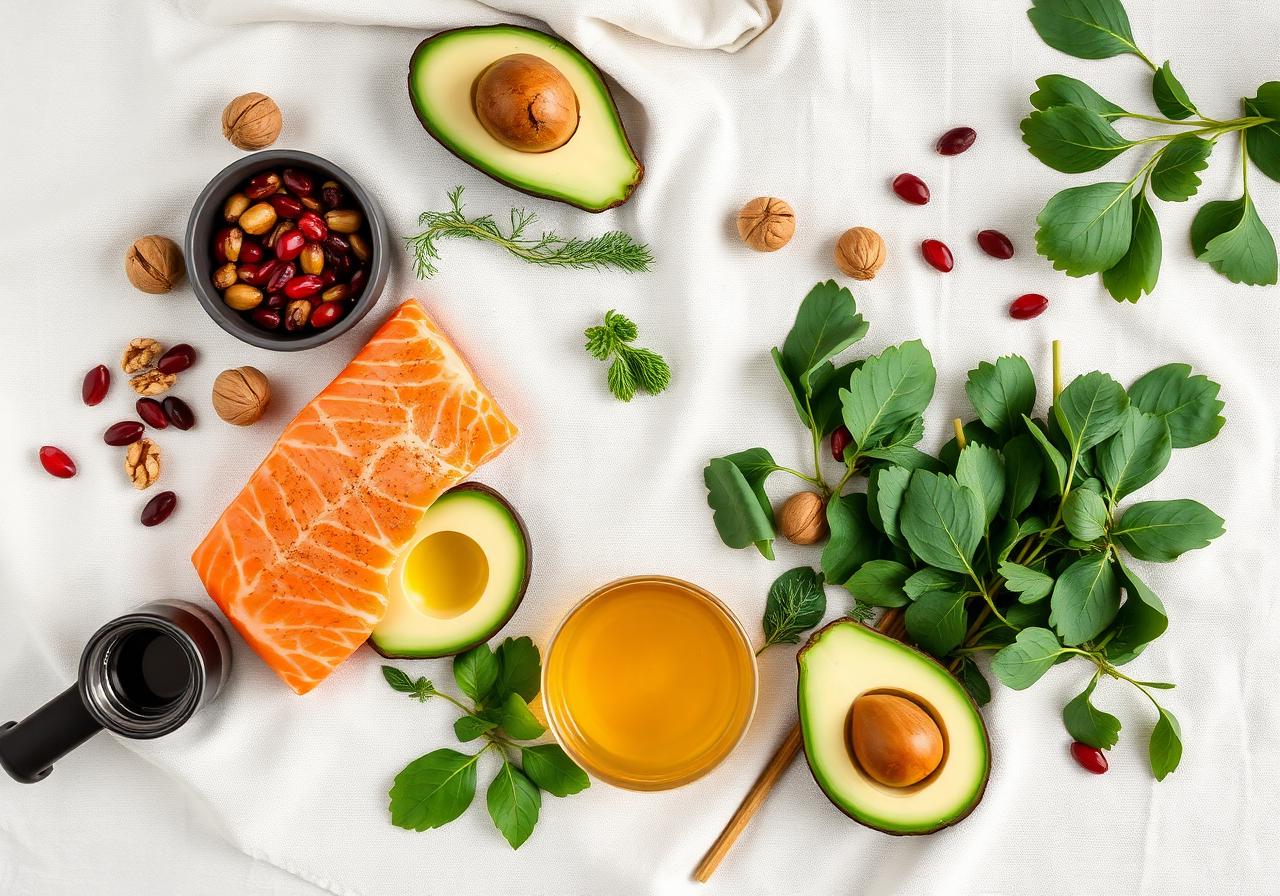
Foods that support heart health
Fibre-rich foods
Oats, beans, lentils, vegetables, fruit, nuts and seeds. Support healthy cholesterol, blood sugar balance and beneficial gut bacteria.
Extra virgin olive oil
Rich in polyphenols that support cardiovascular health.
Nuts & seeds
Provide healthy fats, fibre and minerals.
Avocados
Rich in mono-unsaturated fats.
Oily fish
Sardines, mackerel, salmon and herring provide omega-3 fats.
Colourful plants
Eat the rainbow — tomatoes, berries, carrots, squash, broccoli, kale and spinach.
Foods to limit
- Ultra-processed foods
- Sugary drinks
- Excess alcohol
- Frequent deep-fried foods
- Processed meats
Lifestyle habits that matter
Move daily
Aim for 150 minutes of moderate activity each week. Walking counts. Gardening counts. Cycling counts.
Build muscle
Strength training improves insulin sensitivity, supports metabolism and healthy ageing, and improves cardiovascular health.
Prioritise sleep
Poor sleep may increase blood pressure, inflammation, appetite and insulin resistance. Aim for 7–9 hours.
Manage stress
Walking, breathing exercises, time outdoors, social connection and mindfulness all help.
The Mediterranean-style plate
½ plate vegetables
Fill half your plate with colourful vegetables.
¼ plate quality protein
Choose fish, poultry, eggs, beans or legumes.
¼ plate whole-food carbohydrates
Whole grains, legumes or starchy vegetables.
Use extra virgin olive oil
And keep water as your primary drink.
Heart health is built meal by meal, walk by walk and choice by choice. You do not need perfection. Small daily habits repeated consistently can have a powerful impact over time.