
Why glycaemic load matters
Carbohydrates are converted to glucose — our main fuel — in the body. But not all carbohydrates are digested at the same rate, causing fluctuations in blood glucose (blood sugar) and energy levels throughout the day.
Foods that are quickly digested cause a sharp rise in blood sugar and insulin levels, with excess glucose being stored in tissue cells as fat. This leads to a drop in blood sugar, leaving a person feeling hungry, lethargic and craving stimulants or sweet foods — the rollercoaster of sugar highs and lows.
The glycaemic load of a food takes account of the amount of carbohydrates in a portion, together with how quickly they are digested. Low-GL foods are digested more slowly, keeping sugar levels more constant.
Which foods contain carbohydrates?
- Starchy foods such as bread, pasta, chapatis, potatoes, noodles, rice and cereals
- Fruit and vegetables
- Some dairy such as milk and yogurts
- Sugar and other sweet foods
- Pies, pastries, biscuits and cakes
Tips to reduce GL
- Cut out refined snacks — sweets, crisps, cakes, biscuits and pastries made from white flour and sugar.
- Eat small or moderate portions of starchy foods.
- Five servings of low-GL fruit and vegetables per day.
- Lightly cook vegetables or eat raw.
- Include protein with each meal — choose lean meat, fish, poultry and eggs.
- Add acidic foods such as balsamic vinegar, lemon juice or vinaigrette.
- Eliminate stimulants like caffeine, cola, smoking and alcohol.
- Exercise for 15 minutes a day.
Starchy staples: high vs low-GL
| Food group | High GL | Low-GL alternatives |
|---|---|---|
| Breads | White, wholemeal and french sticks | Rye, sourdough, granary, seeded breads and pita breads |
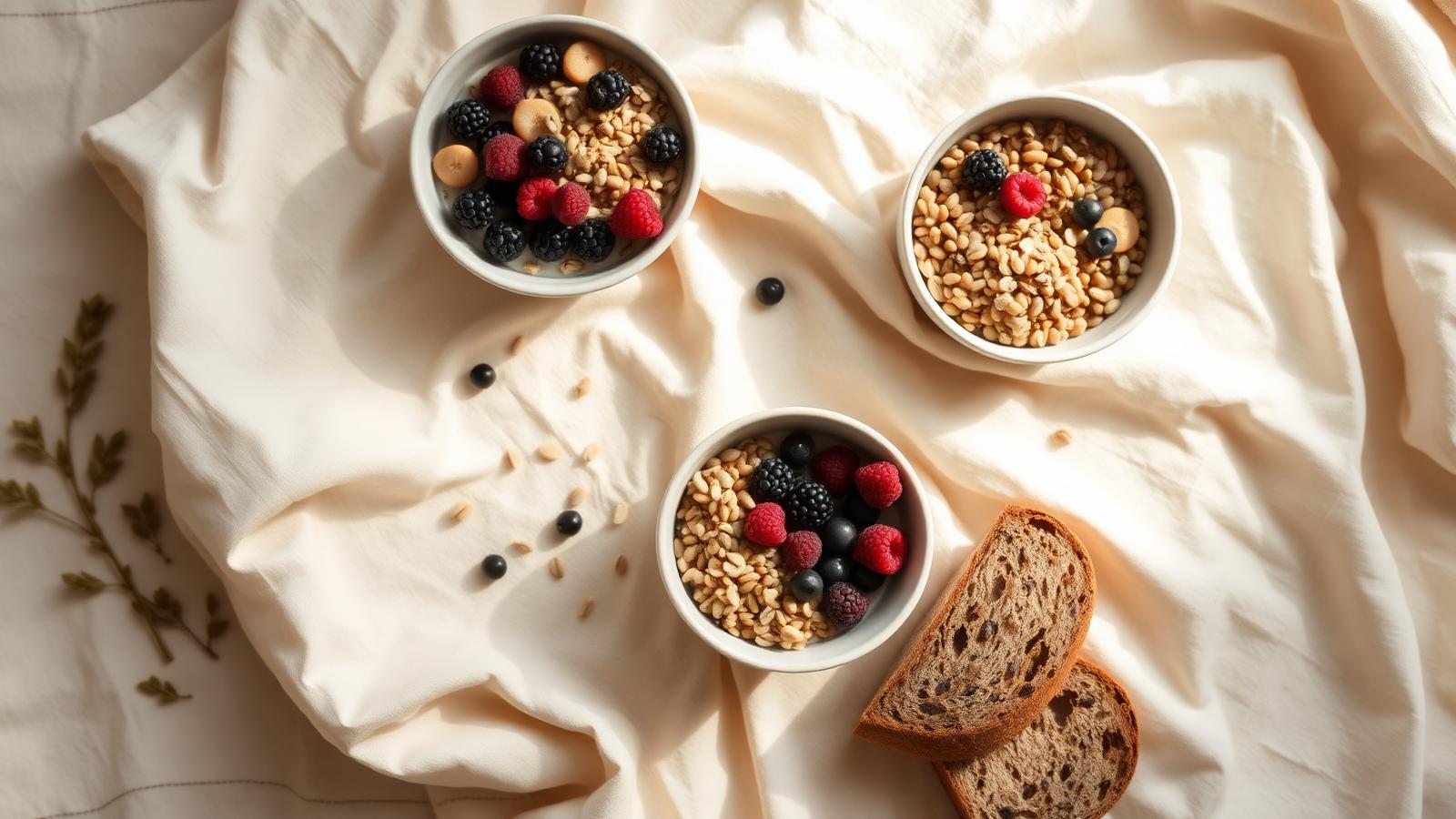
| Cereal | Sweetened cereals, rice-based cereals, bran flakes, shredded wheat | Whole oats, no added sugar muesli, bran sticks, quinoa, buckwheat |
| Pasta | Overcooked pasta and pasta ready meals requiring reheating | Egg pasta, mung bean noodles, spelt pasta |
| Rice | Short grain, sticky white rice | Basmati rice, bulgur or cracked wheat, couscous |
| Potatoes | Large floury white potatoes, french fries and mashed potato | Baby new potatoes, sweet potatoes |
Low-GL choices by group
Fruit
Apple, avocados, blackberries, blueberries, blackcurrants, cherries, cranberries, grapefruit, grapes, gooseberries, lemons, limes, melons, nectarines, passion fruit, pears, plums, pomegranates, satsumas, strawberries, raspberries, redcurrants, rhubarb.
Vegetables
Asparagus, aubergines, runner beans, brussels sprouts, cabbage, cauliflower, celeriac, celery, courgettes, cucumber, fennel, kale, leeks, lettuce, mangetout, mushrooms, onions, peas, peppers, pumpkin, radishes, rocket, spinach, spring greens, squash, swede, tomatoes, turnips, watercress.
Legumes
Lentils, beans (butter, haricot, cannellini, kidney).
Dairy
Skimmed milk, low-fat cottage cheese, feta.
Hydration
Water helps flush toxins, supports digestion, joint lubrication and healthy skin. Aim for 1.5–2 litres (6–8 glasses) of water daily. Herbal teas and foods with high water content also help.
Healthy habits that help
- Eat a variety of whole, nutrient-dense foods every day.
- Include foods rich in omega-3 fats, fibre, antioxidants and phytonutrients.
- Move your body — daily movement reduces inflammation and boosts mood.
- Manage stress — chronic stress increases inflammation.
- Prioritise quality sleep — aim for 7–9 hours each night.
- Avoid smoking and limit alcohol.
- Connect — strong relationships support mental and physical health.
Portion guide (use your hand)
Protein
1 palm
Vegetables
1 cupped hand
Wholegrains / starchy veg
1 cupped hand
Healthy fats
1 thumb
Fruit
1 cupped hand
Progress, not perfection. Small, nourishing choices every day add up to lasting change. Celebrate the steps you take towards feeling your best.