What is PMOS?
PMOS is a hormonal and metabolic condition affecting how the ovaries function.
It may be associated with
- Irregular cycles
- Acne
- Weight gain or difficulty losing weight
- Fatigue
- Insulin resistance
- Fertility challenges
How nutrition can help
Food is powerful. The right nutritional approach can help to balance blood sugar, support hormones, reduce inflammation and improve energy and wellbeing.
Five gentle principles
Stabilise blood sugar
Choose low-GI wholefoods to support insulin balance.
Nourish, don't restrict
Focus on real, nutrient-dense foods that support your body.
Support your hormones
Healthy fats, fibre, protein and micronutrients are key.
Reduce stress & improve sleep
Rest and relaxation are essential for hormone balance.
Move your body
Regular movement supports mood, metabolism and cycle health.
Nutrition focus
Eat more wholefoods
Vegetables, quality protein, healthy fats, seeds, nuts, legumes and wholegrains.
Limit refined sugars
Highly processed foods can spike blood sugar and worsen symptoms.
Stay hydrated
Aim for 1.5–2 litres of water daily. Herbal teas count too.
Prioritise sleep
7–9 hours of quality sleep supports hormone regulation.
Manage stress
Try mindfulness, breathwork, walking in nature or journaling.
Be consistent, not perfect
Small, sustainable changes lead to lasting results.
Foods to focus on
Healthy fats
Avocado, olive oil, nuts, seeds, oily fish (salmon, sardines).
Low-GI carbs
Quinoa, oats, brown rice, sweet potato, legumes, berries.
Colourful veg
Aim for a rainbow of vegetables for vitamins and antioxidants.
Plant protein
Lentils, chickpeas, tofu, tempeh, edamame, beans.
Fibre & seeds
Flaxseeds, chia seeds, pumpkin seeds, hemp seeds.
Blood sugar balancers
Cinnamon, turmeric, green tea, apple cider vinegar (with meals).
Leafy greens
Spinach, kale, silverbeet and other greens support detoxification.
Herbal teas
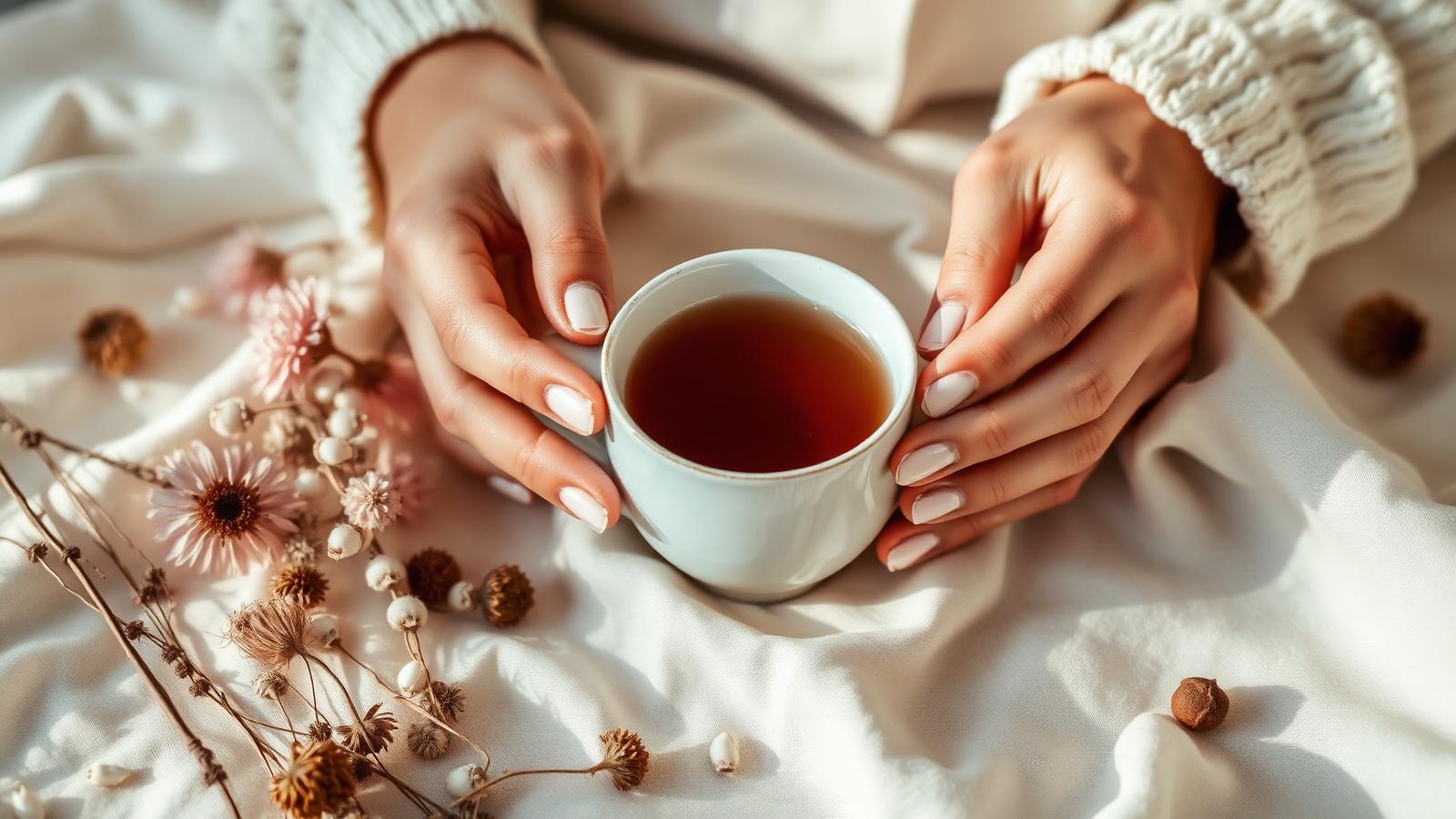
Peppermint, chamomile, spearmint and rooibos support wellbeing.
Foods to limit or avoid
- Refined sugars and high-sugar foods (soft drinks, sweets, cakes)
- Highly processed and packaged foods
- White bread, pastries and refined grains
- Fried foods and trans fats
- Excess caffeine and energy drinks
- Alcohol (can affect hormones and sleep)
- Crash diets and extreme restriction
Lifestyle reminders
- Move your body in ways you enjoy.
- Prioritise 7–9 hours of quality sleep.
- Manage stress daily (even small moments).
- Stay hydrated throughout the day.
- Track your cycle and symptoms.
- Celebrate non-scale victories.
- Be kind to yourself.
You've got this. Healing is not a straight line — with consistent support, nourishing food and self-care, you can restore balance in your body and mind.