What is gluten & why it matters
What is gluten?
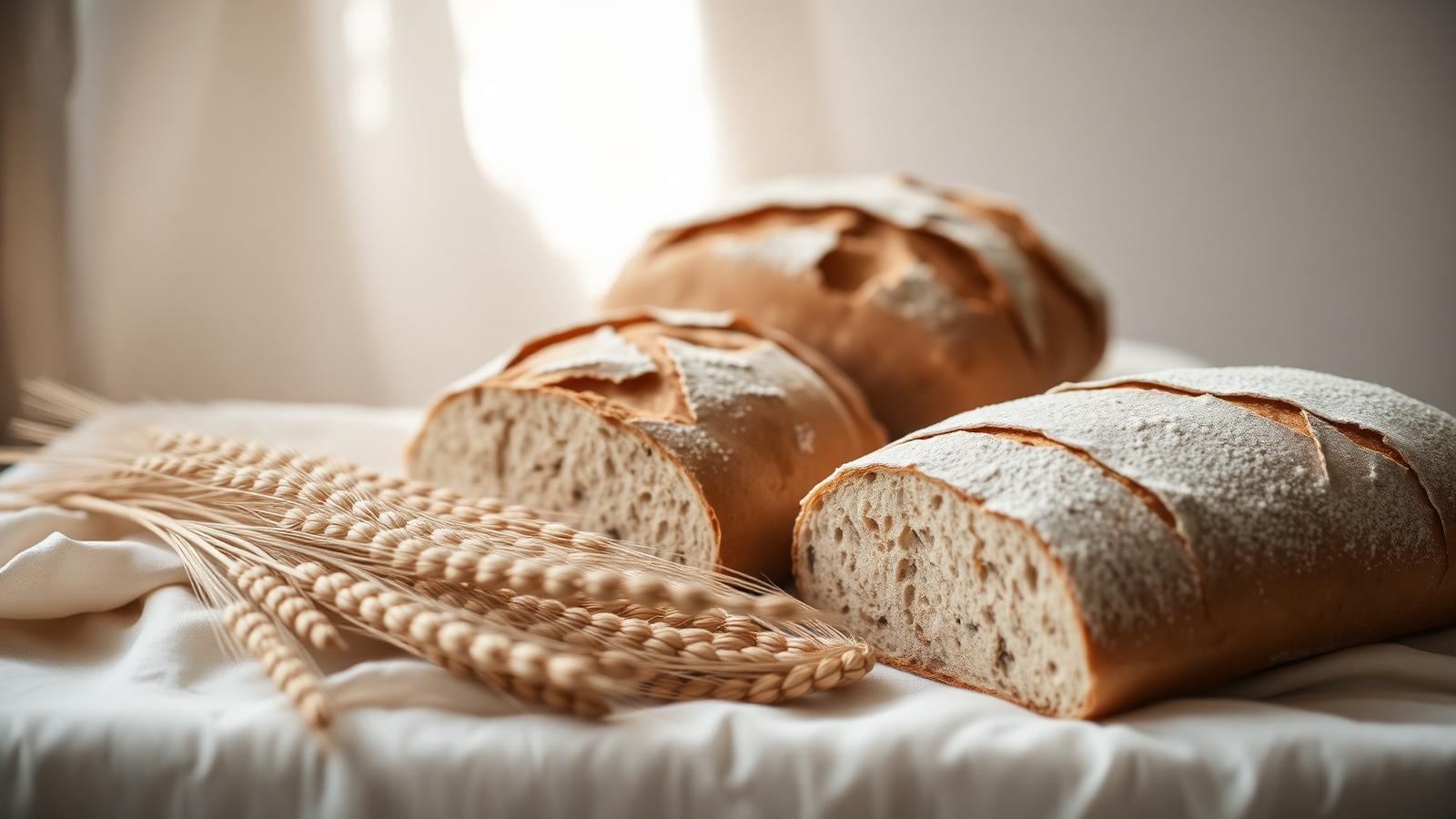
A protein found in wheat, barley, rye and triticale. It gives dough its elasticity and helps it rise.
Why it matters
Gluten can be a hidden trigger for digestive issues, chronic inflammation, hormonal imbalances, fatigue, brain fog and skin problems.
This guide is about awareness, not fear. The goal is to understand your body, support your gut and make informed choices that help you feel your best.
Common sources of gluten
Wheat
Bread, pasta, flour.
Barley
Malt, beer, soups.
Rye
Bread, crackers.
Triticale
A wheat–rye hybrid grain.
Processed foods
Sauces, snacks, dressings.
Hidden sources
Soy sauce, some medications, additives.
Signs you may be sensitive to gluten
- Bloating, gas or abdominal pain
- Irregular bowel habits
- Fatigue, brain fog or poor concentration
- Headaches or migraines
- Joint or muscle pain
- Skin issues (eczema, acne, dermatitis)
- Mood swings, anxiety or low mood
- Sugar cravings
- Hormonal imbalances
- Difficulty losing weight
Gluten & your gut
Gluten can irritate the gut lining in sensitive individuals, leading to increased intestinal permeability ("leaky gut"). This can allow undigested food particles and toxins into the bloodstream, triggering immune responses and systemic inflammation.
Healing the gut is key to long-term wellness.
If you suspect coeliac disease or non-coeliac gluten sensitivity, it's important to get the right testing done before removing gluten completely. Work with a healthcare professional for accurate assessment.
Heal the gut
- Focus on whole, unprocessed foods
- Eat a variety of fibre-rich vegetables
- Include fermented foods
- Support with bone broth
- Manage stress
- Address infections or imbalances
- Support digestive enzymes if needed
Nourish & repair
- Prioritise protein, healthy fats and colourful vegetables
- Include gut-healing foods: slippery elm, marshmallow root, aloe vera
- Support with key nutrients: zinc, L-glutamine, vitamin D, omega-3s
- Hydrate well
- Eat mindfully and chew your food
Healthy gluten-free swaps
| Instead of | Try |
|---|---|
| Couscous | Quinoa |
| Pasta | Buckwheat noodles |
| Wheat flour | Almond flour |
| Wheat-based cereals | Oats (gluten-free) |
| White rice | Brown rice |
| Wheat flour (baking) | Chickpea flour |
Beyond the plate
Gluten sensitivity is not just about food. Supporting your lifestyle makes a big difference — prioritise sleep, move your body daily, reduce exposure to toxins, manage stress and your nervous system, spend time in nature and practise self-care.
Gluten & autoimmunity
Coeliac disease
An autoimmune reaction to gluten that damages the small intestine.
Hashimoto's thyroiditis
An autoimmune condition affecting the thyroid; gluten may worsen symptoms.
Rheumatoid arthritis
An autoimmune joint condition that may be aggravated by gluten.
Type 1 diabetes
An autoimmune condition with a known link to coeliac disease.
Psoriasis
An autoimmune skin condition that may improve when gluten is removed.
IBS and IBD
Gut conditions that can be triggered or worsened by gluten in sensitive people.
Sample day of eating (gluten-free)
| Meal | Idea |
|---|---|
| Breakfast | Chia pudding with berries and almond butter |
| Lunch | Salmon, quinoa, roasted veg & greens |
| Snack | Apple with almond butter |
| Dinner | Chicken stir-fry with lots of vegetables & tamari |
| Snack | Carrot sticks with hummus |
| Drink | Herbal tea or lemon water |
Key takeaways
- Gluten affects everyone differently.
- Tune into your body and trust the signs.
- Healing your gut can transform your health.
- Focus on whole foods, reduce inflammation and support your body gently.
- Small steps create lasting change.
You deserve to feel good in your body. With the right support, balance and nourishment, healing is possible.