
What research shows
Inflammation triggers the immune system to fight off infections, increase blood flow to places that need healing, and generate pain as a signal that something is wrong with the body.
However, chronic inflammation occurs when swelling sticks around and the immune system is set permanently to 'on'. As a result, it constantly releases a flood of chemicals that may damage cells.
Recent research suggests that chronic inflammation is associated with modern chronic disease. Medicines like ibuprofen and aspirin can change the body's chemical reactions, but they are not without side effects. Research shows there is a link between nutrients and inflammatory processes in the body — some foods are believed to encourage inflammation while others may have an anti-inflammatory effect.
Inflammation: the culprits
Saturated fat
Found mostly in animal-based foods like red meat and whole-fat dairy products. Raises LDL (bad) cholesterol and promotes inflammation throughout the body.
Trans fats
Chemically altered fats often found in crackers, biscuits and other baked goods. They increase bad cholesterol and promote inflammation even more than saturated fats.
Omega-6 PUFAs
The body needs some omega-6 to function properly, but excess may have inflammatory components. Found in corn, soybean, sunflower and safflower oils.
Eat more
- Fruits — strawberries, oranges, blueberries, cherries
- Omega-3 oily fish (salmon, sardines, mackerel, herring), soybeans, walnuts, almonds, tofu, ground flax seed or flax seed oil
- Whole grains, brown rice, quinoa, oats
- Brussels sprouts, spinach, kale, broccoli
- Allium vegetables — onion, garlic
- Yellow, orange and red vegetables — peppers, carrots, tomatoes
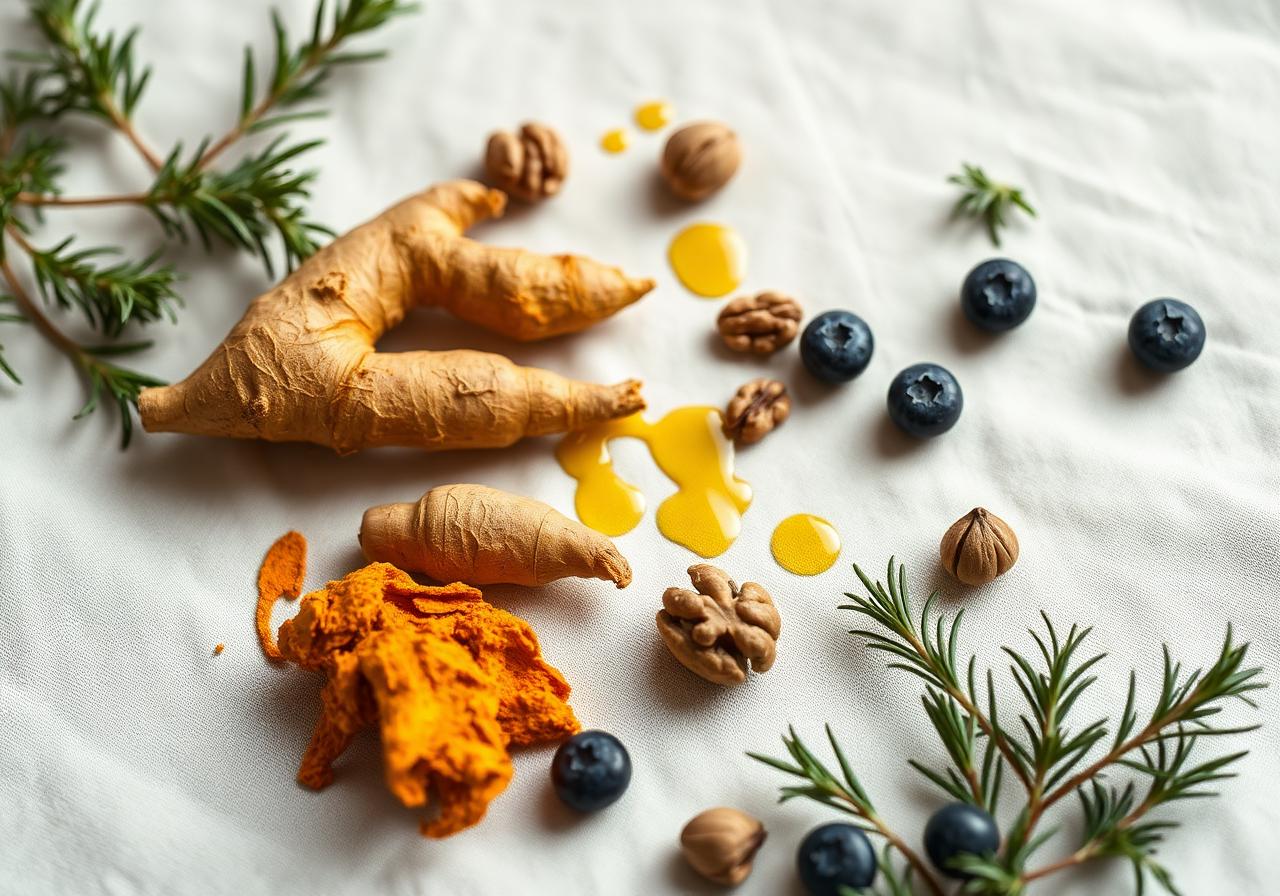
- Herbs and spices: rosemary, oregano, ginger, turmeric, cayenne, clove, nutmeg
- Olive oil
- Black and green teas
Limit or avoid
- Dairy — milk, yoghurt, cheese, butter
- Trans fats — fried foods, frozen foods, packaged snacks, margarine, commercially baked goods
- Refined carbs — pastries, cereal, white bread, white flour, pasta, biscuits, cakes
- Sugar — desserts, sweets, cakes, sugar-sweetened drinks and fruit juices
- Red meats — beef, pork, lamb
- Processed meats — ham, salami, sausages
- Long shelf-life snacks — crisps, crackers
- Common cooking oils — safflower, corn and sunflower oils
Remember
Stress-free zone
Make time to rest and relax.
Move your body
Daily movement helps reduce stress and inflammation.
Sleep well
Aim for 7–9 hours of quality sleep each night.
Nourish your body
Choose whole, nutrient-dense foods that support your immune system.
Healing is not a straight line. With consistent support, nourishing food and self-care, you can feel your best and restore balance in your body and mind.