

Understanding insulin
What is insulin?
Insulin is a hormone made by the pancreas. Its job is to help glucose from the food you eat enter your cells to be used for energy. When your cells become resistant to insulin, glucose builds up in your blood and your pancreas produces more insulin to compensate.
Common causes
Excess sugar & refined carbs, sedentary lifestyle, chronic stress & poor sleep, inflammation, excess body fat (especially abdominal), hormonal imbalances (PCOS, menopause), nutrient deficiencies.
How it develops
Cells become less sensitive to insulin. The pancreas produces more insulin to keep blood sugar normal. Blood insulin stays high. Over time, blood sugar rises — leading to pre-diabetes and type 2 diabetes.
The impact on your health
Constant fatigue
Persistent tiredness throughout the day.
Weight gain
Especially around the midsection.
Sugar cravings
Cravings and mood swings between meals.
Hormonal imbalance
PMS, PCOS, menopause symptoms.
Poor sleep & brain fog
Disrupted rest and difficulty concentrating.
Long-term risk
Increased risk of type 2 diabetes, heart disease and inflammation.
The link: stress, cortisol & insulin resistance
Chronic stress causes your body to release cortisol. While helpful in short bursts, long-term high cortisol increases blood sugar, promotes belly fat storage, makes your cells more resistant to insulin and increases cravings for sugar and refined carbs.
High cortisol + high insulin = a cycle that keeps your body stuck in survival mode.
Signs you may have insulin resistance
- Crave sugar or carbs often
- Feel tired after meals
- Trouble losing weight
- Belly fat (especially around waist)
- Skin tags or dark patches (Acanthosis Nigricans)
- Irregular periods or PCOS
- High blood pressure or cholesterol
- Brain fog or poor concentration
Nutritional strategies
- Focus on whole, minimally processed foods
- Choose low GI carbs that stabilise blood sugar
- Include protein & healthy fats with every meal
- Eat plenty of fibre-rich vegetables
- Limit refined sugar, white flour & processed foods
- Stay hydrated and support gut health
- Eat mindfully and stop when 80% full
Lifestyle strategies
- Move your body daily (strength + movement is key)
- Build muscle — it improves insulin sensitivity
- Prioritise 7–9 hours of quality sleep
- Manage stress with breathwork, meditation or time in nature
- Avoid long periods of sitting
- Support a healthy circadian rhythm (get morning sunlight)
Powerful foods to support insulin sensitivity
Cinnamon
May improve insulin sensitivity and lower blood sugar.
Berberine
Supports glucose metabolism and insulin function.
Magnesium-rich foods
Improves insulin action. Include nuts, seeds, leafy greens.
Omega-3 fats
Reduce inflammation and support cell membrane health.
Vinegar
May help reduce blood sugar spikes after meals.
Herbs & supplements
Berberine
Supports blood sugar control and insulin sensitivity.
Chromium
Helps improve insulin action.
Magnesium
Supports glucose metabolism.
Alpha Lipoic Acid
Powerful antioxidant that improves insulin sensitivity.
Inositol
Especially helpful for women with PCOS.
Vitamin D
Supports insulin function.
Omega-3
Reduces inflammation.
Before starting any new supplement, especially if you are taking medication or have an existing health condition.
Sample day of balanced eating
| Meal | Idea |
|---|---|
| Breakfast | Greek yogurt with berries, chia seeds & nuts |
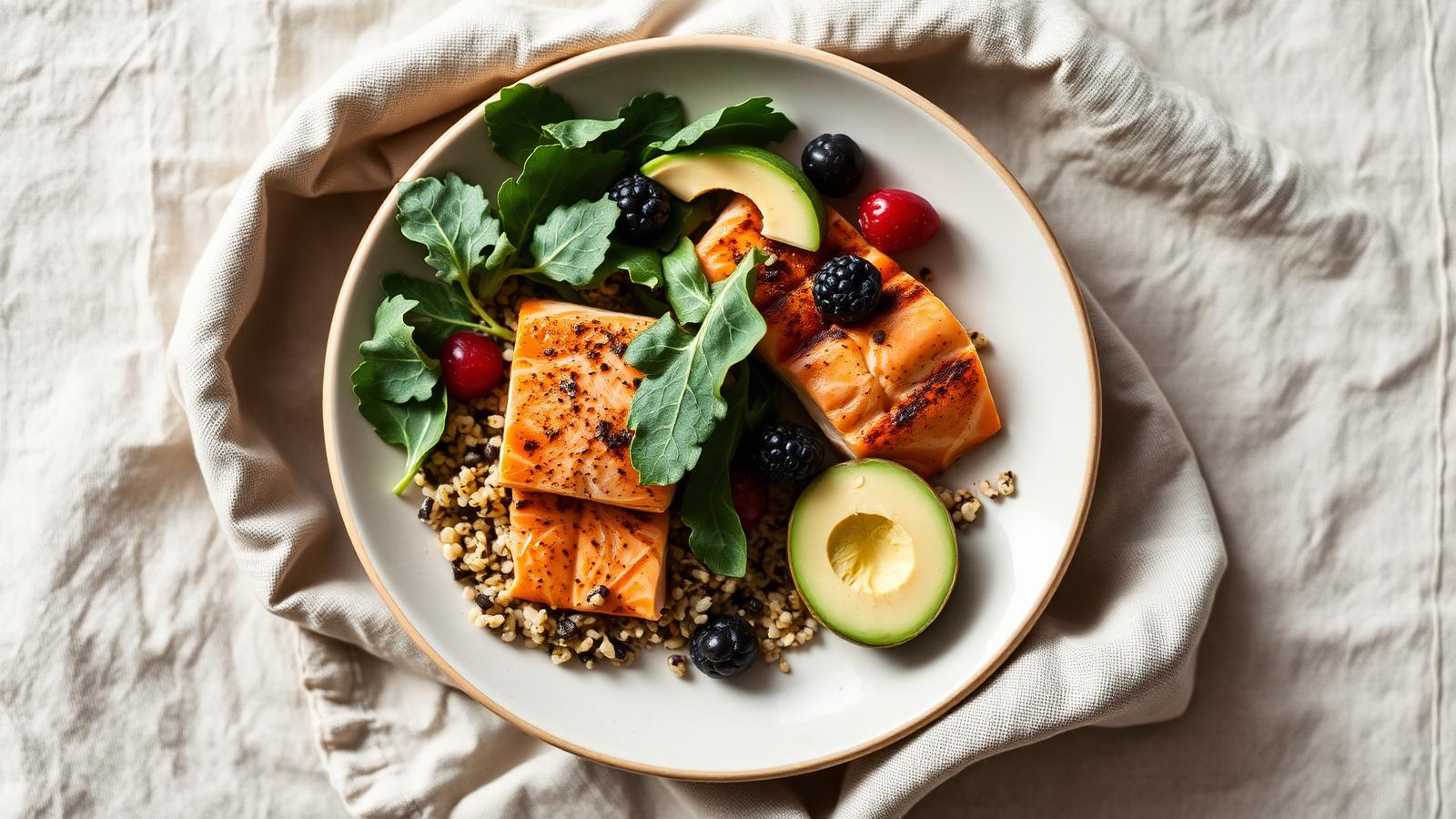
| Lunch | Grilled salmon, quinoa, roasted vegetables |
| Snack | Apple with almond butter |
| Dinner | Chicken stir-fry with lots of vegetables and brown rice |
| Drink | Herbal tea, water with lemon |
Daily habits that make a difference
Hydrate
Drink plenty of water throughout the day.
Eat mindfully
Chew slowly and enjoy your food without distraction.
Manage stress
Practice daily stress management techniques.
Move daily
Aim for movement you enjoy every day.
Sleep well
Good sleep is essential for blood sugar balance.
Connect
Build strong relationships and nurture joy.
Key takeaways
- Insulin resistance is common, but reversible.
- Small, consistent changes make a big difference.
- Balance blood sugar, support your body and be kind to yourself.
- Focus on progress, not perfection.
Healing is not a straight line. With the right support, nourishing food and self-care, you can restore balance and create lasting health.