


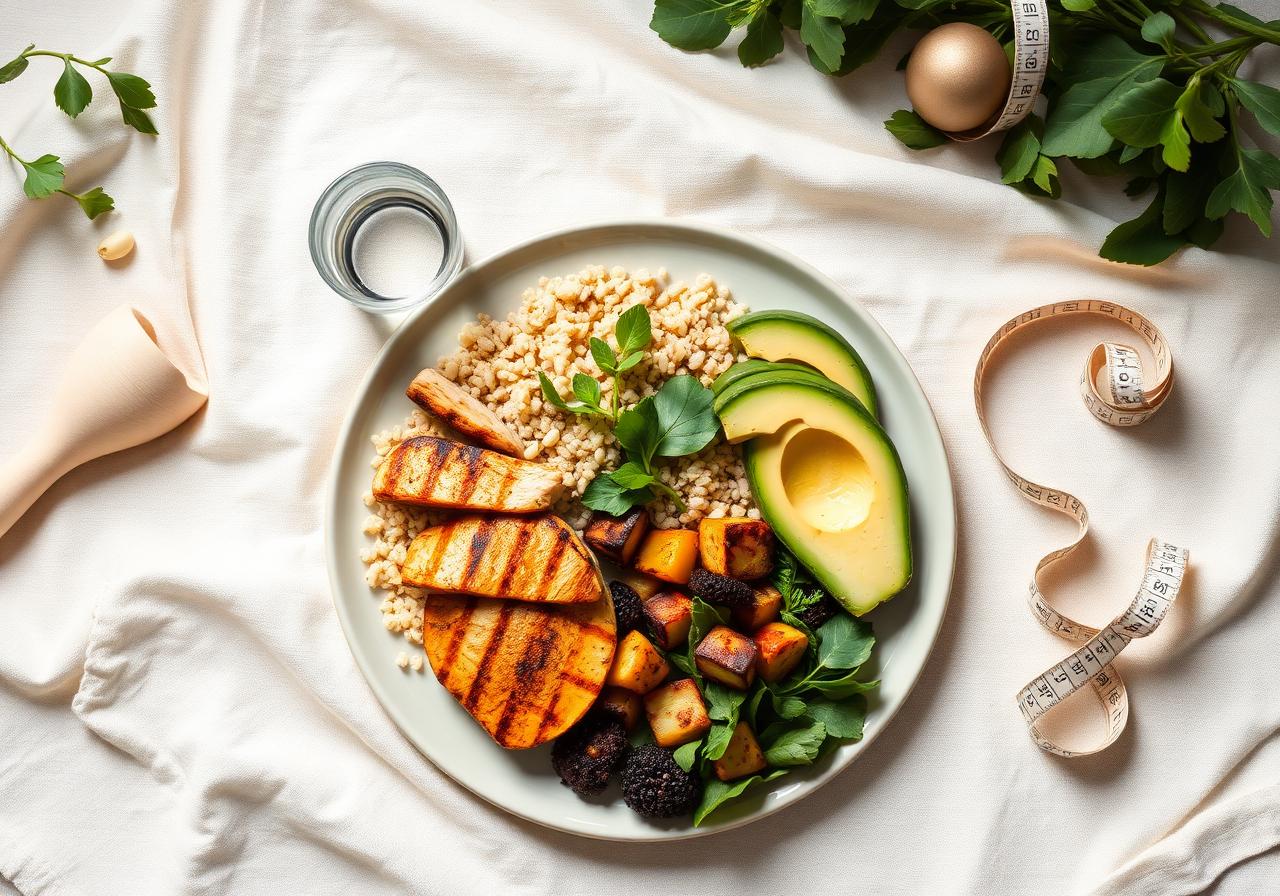
It's not just about willpower
Many factors influence your weight, including hormones, blood sugar balance, sleep, stress, gut health, medications, genetics, environment and life stage.
Understanding your body is the first step to lasting change.
Hormones that influence weight
Cortisol
The stress hormone. Chronic stress can increase appetite, especially for high-calorie foods, and promote belly fat.
Leptin
The satiety hormone. Tells your brain you're full. Poor sleep and inflammation can lead to leptin resistance.
Ghrelin
The hunger hormone. Rises before meals to stimulate appetite. Affected by sleep, stress and diet.
Insulin
Regulates blood sugar. Frequent spikes can promote fat storage and contribute to insulin resistance.
Thyroid hormones
Regulate metabolism. Imbalances can slow metabolism, cause fatigue and lead to weight gain.
Sex hormones
Oestrogen, progesterone and testosterone affect fat distribution, muscle mass and metabolism.
Signs your body may be out of balance
- Constant fatigue
- Sugar cravings
- Weight gain (especially around the middle)
- Poor sleep
- Mood swings
- Bloating and digestive issues
- Slow metabolism
- Irregular periods
- Low motivation
Physical vs emotional hunger
Physical hunger
Builds gradually. Open to a variety of foods. Stops when you're comfortably full. You feel satisfied after eating.
Emotional hunger
Comes on suddenly. Craves specific comfort foods. You may eat past fullness. Can be followed by guilt or shame.
Stress eating is biological, not a character flaw. Your body is trying to cope. Be kind to yourself as you build new habits.
Build sustainable habits
Regular meals
Eat every 3–4 hours. Balanced meals prevent extreme hunger and increase satiety.
Prioritise protein
Protein at every meal supports satiety, muscle maintenance and metabolism.
Fibre-rich carbs
Choose whole foods for steady energy and to support blood sugar balance.
Plenty of vegetables
Fill half your plate with colour. Supports digestion, blood sugar and cravings.
Healthy fats
Avocado, nuts, olive oil and seeds support hormone balance and satiety.
Hydrate well
Adequate water supports metabolism, energy and digestion.
Foods to focus on
- Lean proteins (chicken, fish, eggs, tofu)
- Whole foods (vegetables, fruit, whole grains)
- Healthy fats (avocado, nuts, olive oil, seeds)
- Fibre-rich foods (beans, lentils, vegetables, chia seeds)
- Fermented foods (yoghurt, kefir, sauerkraut)
- Herbs and spices to support flavour and metabolism
Limit or minimise
- Sugar and sugary drinks
- Refined carbohydrates
- Ultra-processed foods
- Deep-fried foods
- Excess alcohol
Beyond the plate
Build muscle
Strength training builds lean muscle and boosts metabolism.
Move more daily
Take the stairs, walk after meals, find movement you enjoy.
Prioritise sleep
Aim for 7–9 hours. Poor sleep increases hunger and cravings.
Manage stress
High stress raises cortisol, which can increase appetite and fat storage.
The plate method
½ plate vegetables
Colourful, fibre-rich plants.
¼ plate protein
A quality protein source at each meal.
¼ plate whole-food carbs
Whole grains, legumes or starchy vegetables.
Add healthy fats
A thumb of olive oil, avocado, nuts or seeds.
Habits that last
- Start small — one change at a time
- Be consistent, not extreme
- Plan ahead and prepare
- Keep healthy options available
- Track progress, not restriction
- Think long-term, not quick fixes
- Find what works for your life
- Celebrate non-scale victories
- Be kind and patient with yourself
"Sustainable weight management is about supporting your body, not fighting it. You deserve to feel good in your body, every day."